Landscaping Mottingham: Creating Beautiful Outdoor Spaces That Suit Local Homes
 Landscaping Mottingham is about more than simply making a garden look tidy. In a place where homes, front gardens, shared spaces, and private outdoor areas all play an important role in everyday living, thoughtful landscaping can transform a property into a more welcoming, practical, and attractive environment. Whether a garden is large or compact, modern or traditional, the right approach can bring structure, colour, and year-round interest.
Many homeowners looking into landscaping in Mottingham want a garden that feels easy to enjoy and simple to maintain without losing character. The best outdoor spaces are not only visually appealing but also designed around the way people actually use them. That might mean creating a calm seating area, improving boundaries, adding planting that thrives in local conditions, or reshaping the layout so the whole garden feels more balanced. A well-planned landscape can increase comfort, support biodiversity, and make everyday life feel more connected to nature.
Local gardens often need solutions that suit both the style of the property and the practical realities of the space. Soil condition, shade, drainage, privacy, and seasonal changes all influence the final result. That is why Mottingham landscaping works best when it combines attractive design with sensible choices. The aim is to create outdoor areas that look good throughout the year and remain manageable over time, rather than becoming difficult or expensive to maintain.
Understanding the Value of Landscaping in Mottingham
Good landscaping adds value in many ways. It can improve kerb appeal, create better use of available space, and make gardens feel more inviting from the moment someone steps outside. For family homes, this might mean a lawn for children to play on, a patio for summer dining, or borders filled with hardy plants. For smaller gardens, the value may come from clever use of vertical planting, paving, seating, and lighting to make the space feel larger and more atmospheric.
In many cases, landscape design in Mottingham is most successful when it begins with the property itself. Brickwork, fencing, rooflines, and existing features should all influence the final layout so the garden feels like a natural extension of the house. A carefully designed space can soften hard edges, improve flow between indoors and outdoors, and create a more coherent overall appearance. Even modest improvements can make a noticeable difference to both appearance and usability.
Another important benefit of Mottingham garden landscaping is the way it supports everyday living. A front garden can provide a smarter first impression and better access, while a rear garden can become a place to relax, entertain, or garden with confidence. Landscaping can also help solve common issues such as water pooling, patchy grass, awkward corners, or areas that receive too much shade. By addressing these challenges creatively, a landscape can feel more enjoyable all year round.
Mottingham offers a wide variety of property styles, and this variety creates interesting opportunities for landscaping. Some homes benefit from crisp modern lines and minimal planting, while others look better with softer, more traditional designs. A successful garden should always reflect the character of the property and the preferences of the people living there. This balance between style and function is one of the reasons landscaping services in Mottingham are often tailored carefully to each individual outdoor space.
Plant choice is especially important. The right planting scheme can give a garden colour, texture, and movement through the seasons. Evergreen shrubs provide structure, while flowering perennials add seasonal interest. Trees can create shade and privacy, and ornamental grasses can soften paved areas or boundary lines. In landscaping Mottingham gardens, plants are often chosen to suit local light levels and soil conditions, helping them establish well and remain attractive with sensible care.
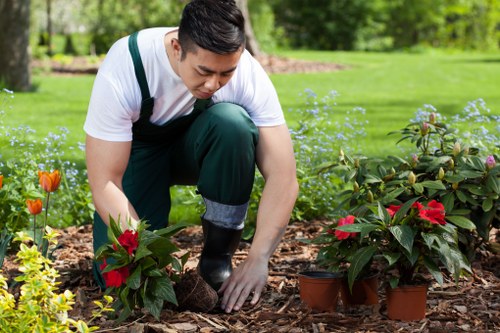 A garden is also a living space, and this means that texture and layering matter. Mixing paving with planting, timber with stone, or lawn with borders can add depth and variety. These contrasts help create a sense of rhythm and order. A simple layout can feel rich and welcoming when it includes enough variation in height, material, and colour. This is one of the reasons why Mottingham garden design often focuses on the relationship between hard landscaping and soft landscaping rather than treating them as separate elements.
Core Elements of a Well-Designed Garden
The strongest landscaping projects tend to combine several key elements. Hard landscaping provides the framework: paths, patios, steps, retaining walls, edging, and boundaries all help define how the garden functions. Soft landscaping brings life to that framework through planting, lawns, and natural features. When these components are brought together carefully, the result is a garden that feels coherent and enjoyable to use.
One of the most valuable aspects of landscaping in Mottingham is the chance to improve circulation around the garden. Many outdoor spaces contain narrow passages, unused corners, or areas that feel disconnected. By reshaping paths, adjusting levels, or repositioning seating, a garden can become easier to move through and more satisfying to spend time in. Good circulation also helps outdoor areas feel larger because the layout encourages the eye to travel naturally from one zone to another.
Lighting is another feature that can change a garden dramatically. Subtle illumination along paths, around steps, or near seating areas improves safety and allows the garden to be enjoyed after dark. It also highlights planting, architectural details, and texture. In the context of landscaping Mottingham, lighting is often used to create a softer evening atmosphere rather than a harsh visual effect. Carefully placed lights can make a garden feel calm, elegant, and practical at the same time.
Designing for Small and Large Gardens
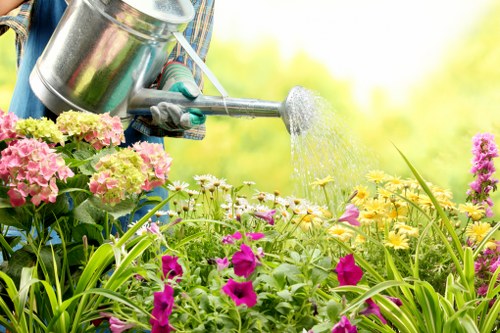 Not every garden has the same size or shape, and that variety is part of what makes landscaping so interesting. Small gardens benefit from intelligent planning, where every square metre is put to use without making the space feel crowded. Built-in seating, raised beds, compact planting schemes, and reflective surfaces can help small spaces appear brighter and more open. For larger gardens, the challenge is often the opposite: the aim is to create structure, cohesion, and a sense of purpose across a broader area.
In smaller outdoor spaces, Mottingham landscaping ideas often focus on simplicity and visual calm. Clean lines, repeating materials, and a restrained planting palette can prevent the garden from feeling cluttered. Mirrors, pale paving, and vertical planting can also help increase the sense of space. In larger gardens, more ambitious features become possible, such as separate dining and relaxation zones, layered borders, wildlife-friendly areas, or statement trees that anchor the layout.
Size does not determine quality. A compact courtyard can feel luxurious if it is designed thoughtfully, while a larger suburban garden can feel welcoming and balanced if its proportions are handled carefully. This is where garden landscaping in Mottingham can be especially effective, because tailored design helps each garden achieve its best version rather than forcing a generic style onto the space.
Practical landscaping also considers maintenance from the beginning. Some homeowners prefer planting that needs only occasional trimming, while others enjoy a more involved garden with changing seasonal displays. Lawns, hedges, mixed borders, and decorative features all carry different levels of upkeep. A well-designed garden should match the amount of care the owner wants to provide. That is why Mottingham landscaping solutions often include a clear focus on manageable planting and durable materials.
Drainage is another topic that should not be overlooked. Outdoor spaces in suburban areas can be affected by heavy rain, soil compaction, or uneven ground levels. Poor drainage can damage lawns, flood paved areas, and make planting less successful. Effective landscaping can address these issues through permeable surfaces, improved grading, and planting that helps absorb moisture. When water is managed properly, the whole garden becomes more reliable and enjoyable in all seasons.
Boundary treatment also plays an important role. Fences, walls, hedges, and screens provide privacy and shape the feel of a garden. A boundary can be purely functional, but it can also contribute to style and atmosphere. In landscaping Mottingham homes, boundaries are often selected to complement the architecture while creating a sense of enclosure and security. A well-chosen boundary can help the outdoor space feel like a private retreat rather than an exposed patch of ground.
Planting Styles That Work Well Locally
Planting is at the heart of most gardens, and the best schemes are those that suit local conditions as well as personal taste. In Mottingham, a mix of evergreen and deciduous planting can provide interest across the seasons. Evergreens offer a dependable structure in winter, while spring and summer blooms bring colour and energy. Combining different leaf shapes, heights, and textures creates depth and helps a border feel full and established.
For a more natural look, layered planting can be especially effective. Taller shrubs and small trees create a backdrop, medium-height plants fill the middle layer, and lower plants soften the front edge. This method works well for landscaping in Mottingham because it creates a sense of richness without relying on overly formal arrangements. A layered scheme can also support pollinators and local wildlife, making the garden more environmentally valuable as well as attractive.
Many gardens also benefit from seasonal focal points. Spring bulbs, summer perennials, autumn foliage, and winter stems each bring a different kind of interest. Rather than depending on one moment of display, a thoughtful planting scheme spreads beauty across the year. This is a key strength of Mottingham landscape design: it can turn a garden into a space that changes and evolves while still remaining harmonious.
Materials matter just as much as plants. The surfaces used in a garden affect its tone, durability, and usability. Natural stone, brick, gravel, timber, and porcelain each create a distinct character. Choosing the right material is about more than appearance. It also involves slip resistance, weather performance, maintenance, and how well the material works with the house itself. In landscaping Mottingham, material selection often aims to strike a balance between classic appeal and long-term practicality.
Patios are among the most commonly used features in a garden because they create a stable area for seating, dining, and relaxing. A patio can be large or compact, simple or detailed, but it should always feel integrated into the wider layout. The best patios are positioned with light, privacy, and movement in mind. They should also connect naturally to paths, planting, and other features so the garden does not feel broken into isolated parts.
Paths are equally important. They guide movement through the space and can subtly influence how a garden is experienced. A straight path suggests directness and structure, while a curved route feels softer and more exploratory. In Mottingham garden landscaping, paths are often used to make the most of longer plots, connect seating areas, or lead visitors through planted sections with a sense of discovery.
 Water features can add calm and movement to a landscape. Even a modest fountain or small pond can introduce sound, reflection, and a stronger sense of atmosphere. Water does not need to dominate the garden to be effective. It can be used in a subtle way, perhaps as a focal point visible from the house or as a quiet feature tucked among planting. In the right setting, water brings balance and a feeling of refinement.
Raised beds are another practical and attractive option. They can improve drainage, make planting easier to manage, and add height to a flat garden. They also help define zones and create stronger edges. For homeowners interested in landscaping services Mottingham, raised beds can be a useful way to add structure without making the garden feel overly rigid. They can be planted with herbs, flowers, shrubs, or even small fruiting plants depending on the intended style.
Timber structures, including screens, pergolas, and seating, can soften a hard landscape and introduce warmth. These features work especially well when combined with climbers or trailing plants. The result is a more layered and inviting environment. In many landscaping Mottingham projects, timber is chosen because it bridges the gap between natural and built elements, giving the garden a more relaxed and personal feel.
Creating Outdoor Spaces That Feel Usable All Year Round
A well-designed garden should not only look attractive in summer. It should remain useful and appealing through colder months as well. This means considering shelter, drainage, evergreen structure, lighting, and durable materials from the outset. A garden that functions in winter often feels more rewarding in every season because it remains accessible and visually engaging even when the weather changes.
Year-round usability often comes down to planning zones carefully. A sunny corner may be ideal for warm months, but a sheltered area with wind protection might be more enjoyable in spring and autumn. In landscaping in Mottingham, gardens can be arranged so they offer different experiences at different times of year. This flexible approach makes outdoor space feel more valuable and supports more frequent use.
Comfort is also affected by scale and proportion. Seating should feel positioned naturally rather than placed as an afterthought. Borders should not overwhelm pathways. Plants should not block important views. When a garden feels balanced, it becomes easier to enjoy in everyday life. That sense of ease is one of the defining qualities of good Mottingham landscaping.
Ecological value is increasingly important in modern garden design. Birds, bees, butterflies, and other wildlife all benefit from spaces that include nectar-rich planting, shelter, and water sources. A landscape does not need to look wild to be wildlife-friendly. Even a neatly maintained garden can support biodiversity if it includes suitable plant choices and varied habitats. This makes landscaping in Mottingham a chance to combine beauty with environmental awareness.
Wildlife-friendly planting often includes a mix of flowering plants, berry-producing shrubs, and dense greenery for shelter. Leaving some areas less formal can also help. A small log pile, a tucked-away corner with leaves, or a diverse border can all make a difference. These details may seem modest, but together they contribute to a healthier and more resilient garden ecosystem.
Another aspect of sustainability is selecting durable materials and sensible layouts. A garden that is built to last reduces waste and avoids repeated replacement. Surfaces that drain well, plants that suit the site, and structures that age gracefully all contribute to a better long-term result. In the context of Mottingham garden landscaping, sustainability means planning for beauty, function, and longevity at the same time.
Blending Style, Function, and Local Character
 The most successful gardens usually have a clear identity. They may feel elegant, relaxed, family-friendly, contemporary, traditional, or somewhere in between, but they should always feel intentional. Landscaping helps create that identity by unifying the different parts of the outdoor space. When paving, planting, seating, and boundaries all work together, the result is a garden that feels complete and satisfying.
Local character should also be respected. Mottingham has its own mix of homes and outdoor spaces, and landscaping works best when it complements rather than competes with its surroundings. A design that suits one property may not suit another, even if the gardens are similar in size. That is why landscaping Mottingham is best approached as a creative process shaped by place, architecture, and use.
There is also emotional value in a well-designed garden. Outdoor spaces can support relaxation, conversation, family time, and quiet reflection. They can feel energising in the morning and soothing in the evening. A good landscape creates a setting for everyday moments, from enjoying a cup of tea outside to spending time with friends or caring for plants. That human dimension is often what makes a garden memorable.
As trends change, the fundamentals of good landscaping remain steady. Clear layout, attractive materials, sensible planting, and attention to detail always matter. Fads may influence colour choices or decorative accents, but the strongest gardens are built around timeless principles. This is why landscaping in Mottingham can remain rewarding over many years: when the essentials are right, the space continues to feel fresh and usable.
Flexibility is another strength of well-planned gardens. A space can evolve over time as needs change. A child’s play area may later become a dining terrace. A simple lawn may give way to borders or raised planting. A garden does not need to be fixed forever; it can develop alongside the home. Good design allows for that evolution without losing structure or beauty.
Ultimately, Mottingham landscaping is about making outdoor spaces better suited to the lives of the people who use them. That means thinking about appearance, comfort, maintenance, and character in equal measure. A successful garden is not merely decorated; it is shaped to work well day after day, season after season.
For homeowners seeking a more inviting outdoor environment, the possibilities are wide-ranging. From planting schemes and pathways to patios, screens, and lighting, every feature contributes to the whole. The right combination can turn an ordinary garden into a place that feels thoughtful, restorative, and easy to enjoy. In that sense, landscaping Mottingham is as much about quality of life as it is about appearance.
Well-executed design also gives a sense of order and calm. Even when a garden is full of interest, it should not feel chaotic. Repetition, balance, and clear focal points help guide the eye and create visual rest. Small details such as edging, aligned paving, or carefully grouped plants can have a surprisingly strong impact. This attention to detail is one of the hallmarks of Mottingham garden landscaping.
As a final thought, a garden should feel like a place people want to return to. It should greet the eye from the window, support time outdoors, and remain satisfying across the year. When a landscape achieves that, it becomes part of the home’s identity. That is the real value of landscaping services in Mottingham: creating outdoor spaces that are attractive, functional, and genuinely enjoyable to live with.