Garden design and build in Mottingham
Creating a garden that feels right for your home is about more than planting a few shrubs or laying a patio. It is about shaping an outdoor space that suits the way you live, the style of your property, and the practical realities of the plot itself. For homeowners, landlords, and businesses looking for garden design and build in Mottingham, the right approach can turn an underused outside area into a space that is attractive, functional, and easy to maintain.
Mottingham has a mix of property types, from family houses with modest back gardens to larger plots, side returns, and commercial outdoor spaces that need a smarter layout. Many local gardens also come with their own challenges: narrow access, sloping ground, patchy lawns, old paving, drainage issues, mature trees, and boundary changes that need careful handling. A local garden design and build service helps bring all those pieces together, so you get a result that looks good and works day to day.
Whether you want a complete transformation or a focused improvement such as a new patio, better planting, timber features, or a redesign that makes the garden easier to use, the process should feel clear and manageable. Garden design and build in Mottingham is not just about creating something visually appealing; it is about designing a space that fits local homes, local lifestyles, and the practical conditions found across the area.
Why local garden design and build matters in Mottingham

Using a local team brings practical benefits from the very first conversation. A garden designer and builder who regularly works in Mottingham understands the kinds of plots found around the area, the common access limitations, and the day-to-day expectations of local customers. That matters when planning delivery of materials, scheduling work, and making sure the design suits the property rather than fighting against it.
Local knowledge is especially useful where homes have side access that is tight, garden widths that are limited, or rear entrances that need careful planning for machinery and material movement. In some Mottingham streets, parking can also be a consideration for the team carrying out the work, so efficient staging and a realistic programme make a real difference to the experience. A company familiar with these conditions can plan around them rather than discovering them halfway through the job.
There is also the question of style. Mottingham properties can range from traditional family houses to more modern developments, with gardens that vary from classic lawn-and-border layouts to compact spaces that need a cleaner, more structured finish. A local service can recommend materials, planting, and layout ideas that feel in keeping with the property and the neighbourhood while still reflecting your personal taste.
What a good local service should help you achieve
Garden design and build should be a practical, collaborative process. A strong local service should help you achieve:
- Better use of space so every part of the garden has a purpose.
- Improved access and circulation for moving between the house, patio, lawn, and planting areas.
- Reduced maintenance with materials and planting chosen for your lifestyle.
- Year-round interest through a mix of structure, texture, and seasonal planting.
- A smoother build process thanks to practical planning around your property and access.
Garden design and build services for local homes and businesses

Every garden has a different purpose, which is why a one-size-fits-all approach rarely works. Some customers in Mottingham want an outdoor entertaining space with a clean patio and atmospheric lighting. Others need a family-friendly layout with durable lawn areas, safe surfaces, and space for play. Some simply want to rescue an untidy or tired garden and create a more usable, attractive setting with sensible planting and new structure.
For domestic properties, the service might include a full redesign or a phased approach, depending on budget and priorities. For landlords, letting agents, and commercial customers, the emphasis is often on durability, ease of maintenance, and a finish that presents the property well without creating unnecessary upkeep. A professional garden design and build service can be adapted to all of these needs while keeping the result coherent and practical.
The best outcome comes from combining creative design with solid build work. This means thinking about how the garden will be used before any digging starts. Will it need entertaining space near the house? Should seating be positioned to catch the afternoon sun? Does the garden need privacy from neighbouring properties? Would raised beds help with drainage or level changes? These are the kinds of questions that shape a garden that works properly for its owners.
Typical services included
Depending on the project, your service may include a mix of the following:
- Initial site visit and discussion of ideas
- Measured layout planning and concept development
- Groundworks and site clearance
- Patio and paving installation
- Decking or raised platform construction
- Fencing, trellis, and boundary improvements
- Lawn creation or lawn replacement
- Planting design and border preparation
- Raised beds, planters, and feature structures
- Drainage improvements where needed
- Lighting and decorative detailing, where included in the project
Designing for Mottingham properties and outdoor conditions
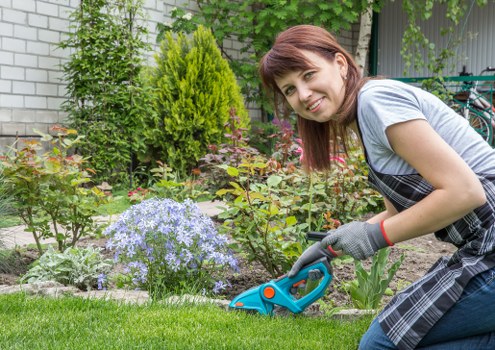
A successful garden design should be shaped by the property as much as by the owner’s preferences. In Mottingham, that often means working with existing levels, boundary lines, mature planting, and the relationship between indoor and outdoor living spaces. The right layout can make a small garden feel larger, a dark garden feel brighter, and a sloping plot feel much more usable.
Many local homes benefit from a design that creates a clear flow from the back door to the main seating or dining area. This is especially useful for family homes where people move in and out regularly during warmer months. Other plots may need a quieter, more planted feel, where soft landscaping balances hard surfaces and the garden offers privacy from neighbouring windows or adjoining properties.
Good garden design and build in Mottingham also takes account of how the site behaves through the seasons. Some gardens hold water after heavy rain, while others are exposed and dry out quickly. Some receive full sun at the back and shade near the house; others are overlooked by trees that affect light levels and leaf fall. These conditions influence the choice of materials, drainage solutions, planting types, and maintenance plan.
Design features that often work well locally
Depending on the size and style of the garden, the following features are often worth considering:
- Defined patio zones for dining, seating, or entertaining.
- Simple, durable paving that suits family use and regular foot traffic.
- Layered planting for privacy, structure, and seasonal colour.
- Raised beds to create levels, improve interest, or manage awkward spaces.
- Storage screens or timber detailing to keep practical items out of sight.
- Low-maintenance borders that reduce the amount of ongoing work.
These features can be combined in many ways to create a garden that feels personal rather than generic. The goal is not to fill every space, but to shape the right balance between open areas, planted sections, and useful circulation space.
How the garden design and build process usually works

Most customers want to know what happens from the first enquiry through to the finished garden. A well-run project should feel organised, transparent, and responsive. While every job is different, the process usually follows a clear structure that helps you understand decisions before work begins.
The first stage is often a conversation about how you use the garden now, what is not working, and what you would like to change. This may include practical issues such as muddy patches, poor drainage, awkward steps, or a lawn that never seems to thrive. It may also cover aesthetic preferences such as whether you want a modern, clean-lined space or something softer and more planted.
Once the brief is clear, the next step is often a site review and design discussion. This is where measurements, levels, access, and existing features are considered. A practical design should reflect the shape of the plot, the cost of materials, and the sequence needed to build everything properly. When the plan is agreed, the build stage can begin with confidence.
Typical stages of the work
- Consultation and brief – discussing priorities, style, and budget focus.
- Site assessment – checking access, levels, drainage, and existing features.
- Design planning – shaping the layout and choosing materials.
- Preparation – clearance, removal of old surfaces, and ground preparation.
- Construction – hard landscaping, borders, structures, and finishing details.
- Planting and final touches – bringing the design together with soft landscaping.
Why this structured approach helps
A staged process reduces confusion and makes it easier to make decisions at the right time. It also helps avoid rushed choices, such as selecting a paving style before considering the garden’s drainage or choosing planting before knowing how much sun the space actually gets. The result is a garden that should look good and function sensibly for the long term.
What is included in a garden design and build project?
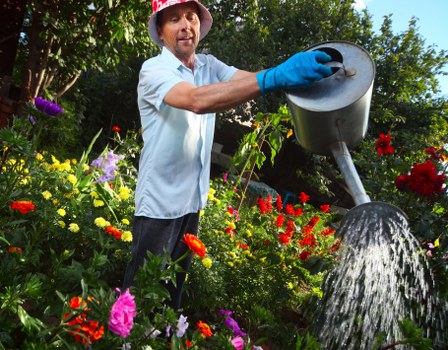
Customers often ask what a full garden design and build service can cover. The answer depends on the scope of the project, but a good service is usually flexible enough to include both the creative and practical sides of the job. That can mean everything from early ideas and layout planning through to the installation of hard landscaping, planting, and finishing details.
For some Mottingham properties, the project may focus on one key area such as a new paved terrace, fresh fencing, or a more usable lawn. For others, the job may involve a complete reworking of the outside space, including changes to levels, new paths, a redesigned border scheme, and a stronger connection between the house and the garden.
Homeowners and businesses alike often benefit from a package that feels joined up rather than pieced together. When design and build are handled together, there is less risk of mismatch between the plan and the final result. Materials can be selected for appearance, maintenance, and durability at the same time, which makes the finished garden easier to live with.
Examples of project elements
- Modern or traditional paving styles
- Porcelain, stone, or concrete paving options
- Timber or composite decking
- Fencing and screening for privacy
- Turfing or artificial turf where appropriate
- Planting plans for beds and borders
- Decorative gravel, edging, and mulch
- Steps, retaining features, and level changes
- Space for bins, sheds, or discreet storage
Some projects also benefit from careful detailing such as border edging, lighting, feature walls, or built-in seating. These finishing elements can elevate the look of the garden without making it feel overcrowded.
Planning for access, parking, and site constraints
In a local area like Mottingham, access is often one of the biggest practical issues. Some properties have side access that is narrow or uneven. Others only allow materials to be brought through the house or down a long path. For larger landscaping jobs, this affects everything from how waste is removed to how paving and soil are delivered. A local company should take these constraints seriously from the start.
Parking can also be part of the planning conversation, especially where roads are busier or on-street space is limited. Rather than causing disruption, a well-organised team will plan deliveries, labour, and waste collection so the project runs smoothly. That is one reason local experience matters: it helps the work fit around the property and surrounding street conditions.
Some gardens also have practical obstacles inside the site itself, such as tree roots, old concrete, broken retaining walls, or hidden drainage points. These issues are not necessarily a problem, but they do need to be identified early so the design and build approach is realistic. A properly prepared plan can save time and prevent unnecessary surprises once work is underway.
Common local challenges that can be handled well
- Tight side access for materials and equipment
- Small or awkwardly shaped plots
- Uneven ground or changes in level
- Overgrown gardens requiring full clearance
- Poor drainage and waterlogging
- Boundary changes or tired fencing
- Limited parking near the property
These factors should not stop you improving your garden. They simply need to be built into the plan from the beginning.
Why realistic planning matters
When a design is developed with real access conditions in mind, the project is more likely to stay on track and produce a neat, durable finish. That practical thinking often saves more time and trouble than a purely decorative approach.
Choosing materials and planting for a lasting result
The best gardens are not only attractive on completion; they are still working well months and years later. Material choices play a huge role in that. In Mottingham, customers often want surfaces that are attractive but not high maintenance, edging that stays tidy, and planting that brings colour without becoming unmanageable.
Paving and surfacing should suit the intended use of the garden. A family space may need durable, easy-clean finishes and safe transitions between zones. An entertaining area may benefit from a more polished look, with materials that create a strong visual link to the house. In a more natural or informal garden, the focus may shift toward softer textures, planting layers, and permeable materials that blend into the space.
Planting also deserves proper thought. A garden that is lovely in spring but bare through winter can feel unfinished, while a border filled with the wrong plants can quickly become a maintenance burden. A considered planting plan can provide structure, softness, and seasonal variation without creating excessive work. That is especially important for busy homeowners and commercial clients who want a tidy appearance with sensible upkeep demands.
Planting and material considerations
- Sun and shade levels across the plot
- Soil conditions and drainage performance
- Maintenance preferences and time available
- Privacy requirements from neighbouring properties
- Style of the house and surrounding landscape
- Durability needs for family use or commercial presentation
If you are unsure where to start, a local designer can help narrow down the options and recommend choices that make sense for your property rather than simply following trends.
Preparing for your garden project
Once you have decided to move forward, a little preparation can help the project start smoothly. You do not need to do the heavy lifting yourself, but it is useful to clear the way for discussion and make sure the team understands anything that could affect the work. If you are living in the property while the work is being carried out, it also helps to think about access to bins, gates, washing lines, pets, and any areas you want to keep separate.
Good preparation also means being clear about what matters most to you. Some customers care most about low maintenance, others about entertaining, others about privacy or child-friendly space. The clearer the priorities, the easier it is to create a design that feels right. If you already have inspiration, photos, or rough sketches, these can be useful starting points, but they are not essential.
For commercial sites, preparation may also include agreeing working hours, delivery access, and any site rules that need to be followed. The aim is to make the project predictable and as unobtrusive as possible.
Preparation checklist
Before work starts, it can help to consider the following:
- Identify the main purpose of the garden.
- Decide which features are essential and which are optional.
- Highlight access points, gates, and any awkward corners.
- Move valuables, fragile items, and garden furniture out of the work area.
- Share any concerns about drainage, roots, or existing underground services.
- Think about whether you want a low-maintenance, family-friendly, or decorative finish.
Pricing factors for garden design and build in Mottingham
Customers naturally want to understand what influences the cost of a landscaping project. While it is not sensible to quote exact prices without seeing the site, there are several common factors that affect the scope and complexity of the work. Knowing these helps you compare options fairly and plan the project in a way that suits your budget.
The size of the garden is only one part of the picture. A small garden with difficult access or major groundworks can take more time than a larger but straightforward plot. Similarly, the choice of materials can have a significant impact on both cost and labour. A design that includes retaining walls, drainage improvements, steps, and detailed planting will generally be more involved than a simple surfacing upgrade.
Transparent pricing conversations should focus on what is included, what options are available, and what changes could affect the final figure. That makes it easier to make informed decisions without pressure. A local customer should be able to ask practical questions and receive clear answers about the likely scope of work.
Key factors that affect project cost
- Garden size and shape
- Amount of clearance or demolition needed
- Access limitations for labour and materials
- Choice of paving, decking, fencing, and planting
- Whether drainage or level changes are required
- Complexity of the layout and detailing
- Need for ongoing phases rather than one complete build
If you are working to a specific budget, it can be sensible to prioritise the most important features first and build the rest into a later phase.
Why choose a local company for your Mottingham garden
There are many reasons local customers prefer a nearby team for landscaping and garden construction. A local company is easier to communicate with, more familiar with the area’s properties, and better placed to respond if you have questions during the project. That reassurance matters when you are investing in a space that should improve the way you use your home or premises.
Local knowledge also helps with practical decision-making. A team that regularly works across Mottingham and nearby areas such as Eltham, Grove Park, Lee, Chislehurst, and parts of Bromley and Catford is likely to understand the common garden layouts, the street access patterns, and the style preferences seen in those neighbourhoods. That can lead to better recommendations and fewer surprises during construction.
For residential customers, this means a garden that suits everyday family life. For commercial customers, it means a space that presents well and stays manageable. In both cases, the benefit of local service is the same: the work is more likely to be grounded in the realities of the area rather than treated as a generic landscaping job.
What local customers often value most
- Clear communication and practical advice
- Understanding of local property layouts
- Flexibility around access and site conditions
- A service that feels personal and responsive
- Design ideas that suit local homes and businesses
If you are considering a new garden, a redesign, or a phased build, a local company can help you move from idea to reality in a structured way.
Ready to improve your outdoor space?
Request a free quote and start planning a garden that suits your property, your routine, and your priorities. Contact us today to discuss your ideas and arrange the next step.
Areas covered and the types of projects we can help with
Garden design and build services in Mottingham often extend into nearby parts of south-east London and the surrounding boroughs. That is useful for customers whose needs are similar but whose plots or property styles vary slightly from one street to the next. Whether the project is for a private home, a rental property, or a commercial setting, local coverage helps keep the service practical and accessible.
The kinds of projects requested most often include full garden redesigns, new patios, updated borders, lawn replacement, fencing improvements, and complete transformations of tired or overgrown outdoor areas. Some customers want a single striking feature, while others want a carefully phased plan that improves the whole garden in stages.
Garden design and build in Mottingham can be tailored to suit a wide range of properties, from compact rear gardens to larger family spaces and business premises that need a tidy, presentable exterior. The key is matching the design to the purpose of the garden and the conditions on site.
Common project types
- Full redesign of an existing garden
- New patio and planting scheme
- Family garden with lawn and seating areas
- Low-maintenance modern outdoor space
- Boundary, fencing, and screening upgrades
- Commercial frontage and outdoor presentation improvements
- Overgrown garden clearance followed by a rebuild
Frequently asked questions
How long does a garden project take?
The timescale depends on the size of the garden, the complexity of the design, the weather, and the materials involved. A small, straightforward improvement may take less time than a full redesign with new levels, drainage, and planting. A realistic schedule should be discussed before work begins.
Do I need a full design before the build starts?
Not always. Some customers want a clear plan first, while others prefer a design-and-build approach that develops the layout alongside the construction work. The best option depends on how complex the project is and how many decisions need to be made in advance.
Can a garden be designed for low maintenance?
Yes. Many Mottingham customers want a garden that looks smart without requiring constant attention. That can be achieved through sensible material choices, reduced lawn area, durable planting, and a layout that is easy to keep tidy.
What if my garden has awkward access?
That is very common and does not prevent a good result. Access needs to be considered from the start so the team can plan deliveries, waste removal, and construction methods appropriately.
Do you work on commercial properties as well as homes?
Yes, garden design and build can suit residential and commercial customers. Commercial work may focus more on presentation, durability, and manageable upkeep, while domestic projects are often more tailored to family life, leisure, and privacy.
Can the work be done in phases?
Absolutely. Many customers choose to complete a project in stages, especially if they want to spread the work over time or focus on the most urgent parts of the garden first.
More questions worth asking before you book
- What is included in the quote?
- How will access and waste removal be handled?
- What materials are suitable for my garden conditions?
- Can the design be adapted if my priorities change?
- What preparation do I need to do before work starts?
Book your garden transformation in Mottingham
If your garden no longer suits the way you live, now is the right time to make a change. A well-planned outdoor space can improve everyday life, add usable room for relaxing or entertaining, and make your property feel more complete. Whether you are starting with a blank canvas, replacing tired features, or reworking a difficult layout, a local garden design and build service can help turn those ideas into a finished space.
From practical hard landscaping to thoughtful planting and detailed finishing touches, the right project should feel tailored to your home or business. The benefit of working locally is that the approach can be shaped around the real conditions in Mottingham: access, parking, plot size, privacy, and the style of nearby properties. That means a smoother process and a result that feels right for the area.
Contact us today to discuss your garden plans, ask questions about the process, and request a free quote. If you are ready to move forward, book your service now and take the first step toward a better outdoor space in Mottingham.